

- UN Calls for Calm in Bangladesh After Protest Leader’s Killing |
- DMP issues 7 traffic directives for Osman Hadi’s Janaza |
- Vested quarter fuelling chaos to impose new fascism: Fakhrul |
- Hadi’s namaz-e-janaza at 2:30pm Saturday |
- Jashore’s Gadkhali blooms with hope; flowers may fetch Tk4 bn |
Meditation Promoted as Path to Peace on World Meditation Day
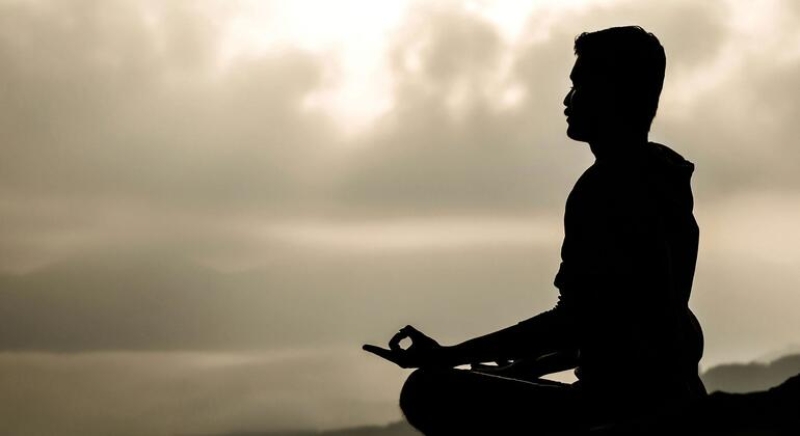
Meditation is a practice that involves focusing the mind to achieve a state of calm and clarity.
Meditation, which has its roots in religious, yogic and secular traditions across various civilisations, encourages living in the present moment.
For the second year, the UN is commemorating this ancient practice, which has been shown to improve personal well-being and mental health.
“When attention deficiency is so widespread, meditation is absolutely essential,” Indian spiritual leader Gurudev Ravi Shankar said at an event at UN Headquarters on Friday, ahead of World Meditation Day.
“Nearly 500 universities around the world have started adopting meditation. Hospitals are also adopting meditation,” he added.
At a time of global challenges, meditation offers a powerful means to cultivate peace, unity and compassion.
What’s behind the international day?
To raise awareness about the benefits of meditation, the UN General Assembly last year proclaimed 21 December as World Meditation Day, reaffirming the right of every individual to enjoy the highest attainable standard of physical and mental health.
Organised by the Permanent Mission of India and other countries that supported the initiative, the event titled Meditation for Global Peace and Harmony aimed to promote inner balance and international unity.
Meditation has the power to bring practitioners to a “space of unified feeling, of tranquillity — a sense of oneness that binds everyone,” Mr. Shankar said, before leading a meditation session at the event.
A powerful tool
According to the World Health Organization (WHO), meditation can be an effective self-care tool to complement treatments and improve overall well-being, particularly in addressing anxiety.
Mr. Shankar noted that around 700 research papers document more than 100 benefits of meditation.
With a focus on breathing and mindfulness, incorporating meditation into daily routines — even for a few minutes — can help achieve calmness and mental clarity.
Before beginning the meditation session, Mr. Shankar spoke about anger and desire, which often disturb the mind.
“These two things don’t let your mind settle; they don’t even allow you to sleep,” he said.
Meditation and breathwork, he explained, can help ease such disruptive emotions.
“Our breath holds a secret. It connects the body and the mind. By paying attention to the breath, you can calm your emotions,” he said.
He concluded by noting that meditation cannot be forced — it happens naturally.
“You only create the conditions in which meditation can happen. For that, you need to set aside desire on one side and anxieties and fears on the other — we can attend to those later,” he said, guiding participants into a state of calm.