

- Bangladesh sees 31 risky heat days, 25 for CC, this summer |
- ECNEC Approves Three Metro Rail Projects Worth Tk2.5tn |
- Rising violence triggers UNSC emergency meeting on Yemen |
- Gaza remains recovery points to possible war crimes: Volker Turk |
Bangladesh sees 31 risky heat days, 25 for CC, this summer
New Climate Central analysis finds
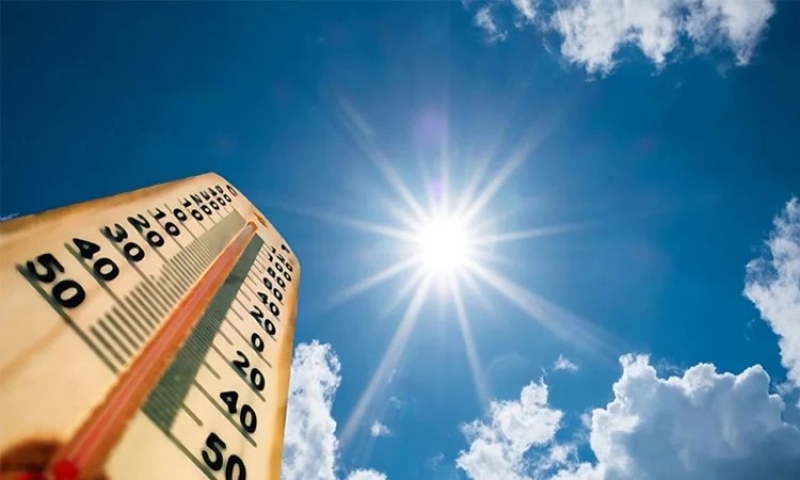
Heat wave in Bangladesh
Dhaka, Sept 16 - Climate change added 25 days of risky heat to Bangladesh’s June-August 2026 summer, according to a new analysis by Climate Central, as the country experienced 31 days of temperatures above its local 90th percentile threshold during the period.
The analysis shows that Bangladesh’s average seasonal temperature between June and August was 0.7°C above normal, while temperatures on 54 days were made at least twice as likely by human-caused climate change, as measured by Climate Central’s Climate Shift Index (CSI).
The findings are part of a global analysis showing that climate change added 30 or more risky heat days for 1.5 billion people worldwide between June and August 2026.
More than one-quarter of the world’s population experienced a strong influence of climate change on temperatures on any given day during the period.
Bangladesh’s cities experienced substantial additional heat
The impact was not uniform across Bangladesh, with several major cities experiencing substantial numbers of risky heat days and additional days attributable to climate change.
Rangpur recorded the highest number of risky heat days among the cities analysed, with 50 days, of which 38 were added by climate change.
Gazipur experienced 33 risky heat days, including 26 attributable to climate change.
Comilla recorded 30 risky heat days, with 27 days added by climate change, while Dhaka experienced 30 risky heat days, including 26 added by climate change.
Dhaka also experienced 30 risky heat days, with climate change adding 26 of them and inn Khulna, 19 risky heat days were recorded, including 14 added by climate change, while Chattogram recorded 16 risky heat days, with 11 added by climate change.
The analysis also found that Rangpur had the highest seasonal temperature anomaly among the cities listed, at 1.1°C, followed by Gazipur at 0.7°C, Comilla and Dhaka at 0.6°C, and Khulna and Chattogram at 0.4°C.
Bangladesh’s heat risk comes with consequences for health
Prolonged exposure to unusually high temperatures can increase the risk of heat-related illness, particularly among people who work outdoors, children, older people, pregnant women and those with underlying health conditions.
The combination of high temperatures and humidity can be particularly dangerous because humidity reduces the body's ability to cool itself through sweating.
Climate Central notes that dangerous humid heat can compromise the body's primary cooling mechanism and contribute to serious and potentially fatal heat-related illnesses.
Dr. Rashedul Hasan Kanak, Associate Professor (Medicine) at Green Life Medical College & Hospital, said the health impacts of intense heat are becoming increasingly visible among vulnerable groups in Bangladesh.
“Mothers, children, and pregnant women face the highest health risks during intense heat. Along with diarrhoea, typhoid, and jaundice, cases of heat exhaustion and heat stroke are also on the rise.”
For Bangladesh, where millions of people work outdoors in agriculture, construction, transport and other heat-exposed occupations, the increasing frequency of risky heat days also raises concerns about productivity, worker safety and pressure on health services.
Asia experienced the largest population exposure
Bangladesh’s experience is part of a much larger regional pattern. Asia had the largest population exposed to at least 30 days of risky heat added by climate change during June–August 2026.
Across the continent, 2.8 billion people, or 58% of Asia’s population, experienced at least 30 risky heat days during the period.
Globally, 1.5 billion people experienced 30 or more risky heat days added by climate change over the past three months. The analysis found that at least one-quarter of the world's population experienced a strong climate-change influence on temperatures on any given day during the period.
A growing challenge for Bangladesh
The latest findings add to growing evidence that extreme heat is becoming an increasingly important climate and public-health challenge for Bangladesh.
The country’s 31 risky heat days during June–August, including 25 days added by climate change, highlight the need to strengthen heat-health preparedness alongside longer-term climate adaptation.
This includes stronger heat early-warning systems, heat action plans, climate-resilient health facilities, protection for outdoor workers, measures to keep schools and workplaces safe during extreme heat, and greater public awareness of heat-related illness.
At the same time, reducing greenhouse gas emissions remains essential to limiting the further intensification of climate-driven heat.
As Climate Central Vice President for Science Kristina Dahl noted, the analysis shows a global pattern in which human-driven warming is pushing communities beyond safe physical limits, with the health and economic costs of fossil fuel use increasingly being felt in real time. - UNB