

- Dengue deaths hit 400 as 11 more die in 24 hours |
- Bangladesh’s Dengue Death Toll Hits 400 After 11 More Deaths |
- Support to coastal security, early completion of MRT lines, Airport Terminal III, business promotion assured |
- Tarique Seeks Japanese Support for Energy, Tech and Infrastructure |
- Japan eyes 1 trillion yen investment in Bangladesh over 5 years |
Shipping Traffic Through Hormuz Falls 28% in One Week
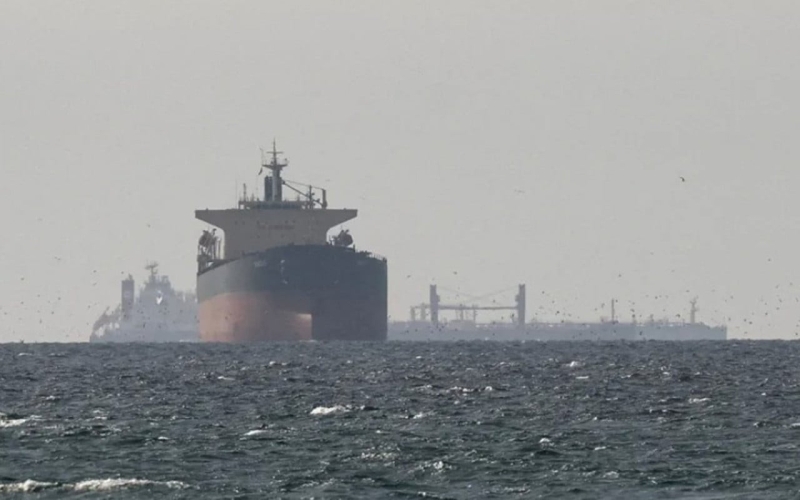
Shipping traffic through the strategically important Strait of Hormuz fell 28 percent in one week amid the ongoing war involving Iran, with only 77 vessels recorded crossing the waterway during the latest week, according to maritime intelligence firm Kpler.
The decline has also been reflected in cargo movements. The number of laden vessels passing through the strait fell from 45 to 33, Kpler data showed.
Between September 4 and 6, 21 of the 28 vessels that crossed the strait used routes designated by Iran rather than the traditional shipping lanes. On September 6 alone, seven of the eight vessels that crossed the waterway used Iran’s designated route.
Kpler said the combination of declining cargo traffic and the increasing use of Iran-designated routes was significant, indicating that security concerns were beginning to affect not only vessel movements but also wider trade activity in the Gulf.
The Strait of Hormuz is one of the world’s most important maritime chokepoints and a major route for global oil and gas shipments. Before the conflict, roughly one-fifth of global oil shipments passed through the waterway.
Shipping activity has fallen sharply since the conflict involving the United States, Israel and Iran began on February 28. Recent Kpler data showed average daily commodity-vessel traffic through the strait at around 10 vessels over a 10-day period, the lowest level since May.
The reduced traffic has heightened concerns over energy supplies and global trade. Oil prices have also come under pressure as disruptions around the waterway raise fears of prolonged constraints on Middle Eastern energy exports.
Kpler said the key question now is whether the sharp decline in shipping activity and the growing reliance on Iran-designated routes will persist.