

- Govt puts rural Bangladesh at heart of development agenda |
- BNP celebrates its 48th founding anniversary Tuesday |
- Dengue situation worsens in Pirojpur |
- Hundreds feared stuck in hydropower tunnels in Nepal and Tibet |
- Nepal’s Rasuwa flood disaster: Is there a limit to Human Folly? |
Gas supply to normalise by September’s 2nd week: Rizvi
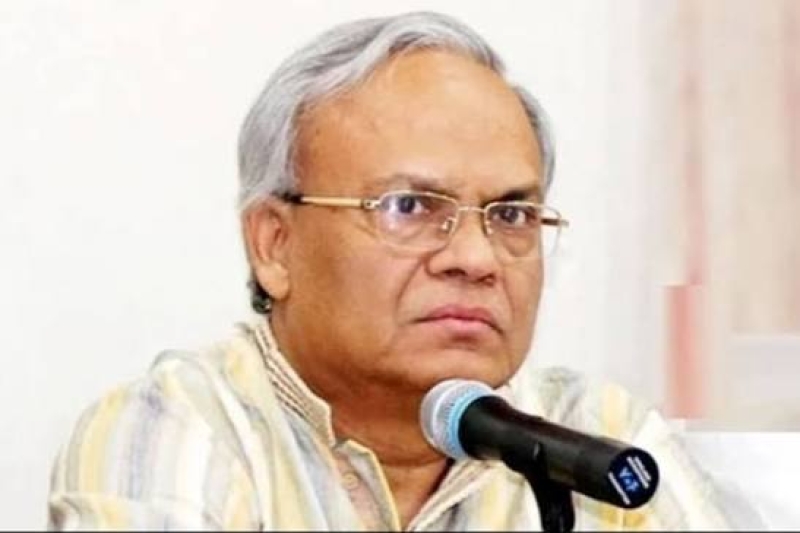
BNP acting secretary general Ruhul Kabir Rizvi on Tuesday said normal gas supply across the country is expected to be restored by the first or second week of September.
He made the remarks while talking to reporters after paying homage and offering prayers at the graves of BNP founder and late president Ziaur Rahman and former Prime Minister Khaleda Zia at Sher-e-Bangla Nagar in the capital in the morning.
Rizvi said Bangladesh has also been affected by the ongoing global energy crisis particularly due to the US-Iran war and disruptions to shipping through the Strait of Hormuz.
“This is a global crisis. Ships cannot come through the Strait of Hormuz because of the US-Iran war and fuel supplies are being disrupted. When one or two ships tried to come bombs were dropped there,” he said.
He said Prime Minister Tarique Rahman is taking measures to address the energy crisis allocating Tk 40,000 crore from the budget for the energy and power sector to resolve the gas shortage.
Referring to the technical problems at the Floating Storage and Regasification Unit (FSRU) in Maheshkhali, Rizvi said repairs have already been completed and regasification has begun.
“Regasification has now started. Normal gas supply will be ensured by the first or second week of September, and electricity will also be available. We are already seeing some indications of that,” he said.
Speaking about BNP’s founding anniversary, Rizvi said the party believes in politics based on fulfilling its commitments to people.
He said BNP has come to power through a free and fair election and PM Tarique Rahman has been working tirelessly, day and night, to fulfil the pledges made to the people after taking office.
On the challenges facing the party and government, Rizvi said there are various challenges, conspiracies and plots, but Tarique Rahman is leading the government while confronting them.
“If there were no challenges, there would be no credit in overcoming them and achieving something good,” he said.
Rizvi said the government is also working to implement BNP’s commitments including the Farmers Card, Family Card and allowances for imams and muezzins.
Asked about the apparent overlap between the party and the government, as BNP is a political party while the government is a separate entity, Rizvi termed the question an “ambiguous term.”
“The people voted for the party, and the party formed the government. The ministers in the government are BNP leaders. Most of them are BNP leaders. So when the people voted for and elected the party, its members will naturally run the government,” he said.
He said BNP had repeatedly made it clear that its leaders and activists, from grassroots members to the national level, were part of the government’s broader effort.
“Our leaders and activists will properly inform the people about all government programmes being implemented for public welfare and in the public interest. There is no contradiction in this,” Rizvi said.
He stressed that the party and government remain separate entities, but the responsibility of running the government lies with BNP and its leaders, reports UNB.