

- Modi Invites Tarique to BRICS Summit in India |
- Govt Moves to Bring ETPs Online to Save Buriganga |
- President Shahabuddin Eyes Resignation: Sources |
- Fertilizer Shortage Threatens Bangladesh Crops: UN |
- Jamaat Expels Satkhira MP Gazi Nazrul Over Viral Video |
Oil Tops $100 as Middle East Conflict Escalates
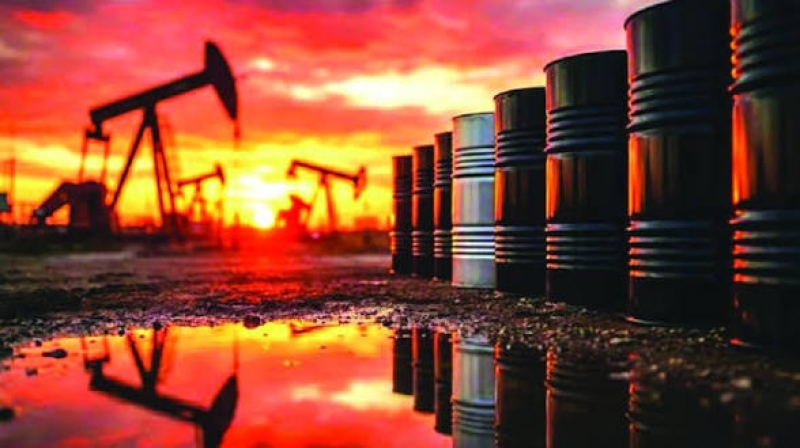
Global oil prices climbed above $100 a barrel for the first time since May on Thursday as escalating military conflict in the Middle East reignited concerns over disruptions to global energy supplies and pushed investors towards safe-haven commodities.
Brent crude, the international benchmark for oil prices, rose more than 6 percent, extending gains recorded over the past several trading sessions after the United States intensified its military strikes against Iran.
The latest rally gathered pace after Yemen’s Iran-backed Houthi movement launched attacks on oil tankers in the Red Sea, threatening one of Saudi Arabia’s key export routes that has increasingly been used as an alternative to the Strait of Hormuz.
The renewed hostilities have once again placed global energy markets on edge. The Strait of Hormuz, through which roughly one-fifth of the world’s oil supply normally passes, remains at the centre of the confrontation between Washington and Tehran. Although Saudi Arabia has sought to diversify export routes through the Red Sea, attacks on shipping there have heightened fears that both strategic corridors could face prolonged disruption.
Natural gas prices have also risen sharply. The benchmark UK wholesale gas price has climbed to around 150 pence per therm, compared with approximately 98 pence at the end of June, reflecting broader concerns over energy security.
Oil prices had retreated in recent weeks following a temporary ceasefire between the United States and Iran, falling back to levels seen before military operations against Iran began in late February. However, the collapse of the truce and renewed exchanges of attacks have quickly reversed that trend.
Advertisement
Adding to market uncertainty, US Secretary of State Marco Rubio said this week that Iran’s leadership was “not ready to make a deal,” signalling that prospects for a diplomatic breakthrough remain limited.
Analysts warn that sustained increases in oil prices could complicate the global fight against inflation. Higher crude prices typically feed into increased costs for petrol, diesel, aviation fuel and freight transport, eventually raising prices for a wide range of consumer goods and services.
Motorists are already beginning to feel the impact. In the United Kingdom, average petrol prices have risen by about 5 pence per litre in just over two weeks to nearly £1.56 per litre, while diesel now averages around £1.72 per litre, according to the RAC.
In the United States, average gasoline prices have climbed back above $4 per gallon, up from around $3.92 a month ago, according to the American Automobile Association (AAA).
The renewed surge in fuel costs has raised concerns among central banks that inflation, which had shown signs of easing in recent months, could accelerate again if the conflict continues.
Speaking before the US Congress last week, Federal Reserve Chair Kevin Warsh reaffirmed the central bank’s commitment to restoring price stability, saying the Fed had “no tolerance to persistently elevated inflation.”
Warsh’s remarks came despite continued pressure from President Donald Trump, who has repeatedly called for lower interest rates to reduce borrowing costs for households and businesses.
At its most recent policy meeting, however, the Federal Reserve left its benchmark interest rate unchanged at 3.5 to 3.75 percent, indicating that policymakers remain cautious as geopolitical tensions threaten to fuel another wave of inflation.
Market analysts say future movements in oil prices will largely depend on whether the conflict expands further and whether shipping through the Strait of Hormuz and the Red Sea can continue without major disruption. Any prolonged interruption to these critical maritime routes could tighten global energy supplies further, placing additional pressure on economies already grappling with inflation and slowing growth. Source: BBC News