

- Measles Death Toll in Children Surpasses 350 |
- Global Eid on Same Day ‘Not Practical’: Mufti Malek |
- PM Rides Teen Inventor’s Smart Car in Dhaka |
- Man beaten to death in Chuadanga over financial dispute |
- Dhaka's air 5th worst in the world Saturday morning |
US-Iran Tensions Raise Energy Risks for Bangladesh
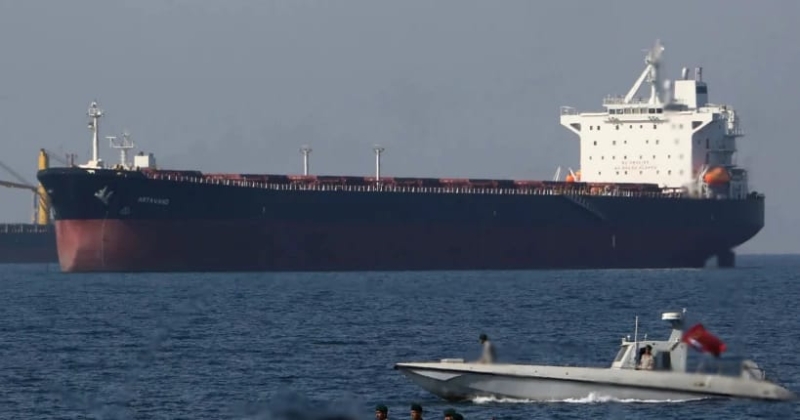
Bangladesh could face growing energy and financial strain amid escalating tensions between the United States and Iran, as fears mount over potential disruptions in the Strait of Hormuz — a crucial route for the country’s fuel imports.
Around 65–70 percent of Bangladesh’s total energy demand is met through imports, mainly liquefied natural gas (LNG), crude oil and liquefied petroleum gas (LPG). Energy analysts warn that a prolonged regional conflict could severely disrupt supply chains and trigger broader economic instability.
The Strait of Hormuz is the world’s most important oil transit chokepoint. Reports indicate that Iran’s Revolutionary Guard has issued radio warnings suggesting possible restrictions on vessel movements. If the waterway is officially closed, international research agencies project crude oil prices could climb to between $95 and $110 per barrel.
For Bangladesh, the exposure is significant:
LNG: About 55 percent of imports, largely from Qatar and Oman
Crude Oil: Roughly 20 percent of annual demand, mainly from Saudi Arabia and the UAE
LPG: Nearly 100 percent dependent on Middle Eastern sources
Potential Impact on Bangladesh
Experts caution that any disruption in the Strait could trigger a cascading effect across key sectors.
Power Shortages: Qatar is a major LNG supplier for Bangladesh’s power plants. Interruptions in shipments could lead to widespread load-shedding during the peak summer season.
Gas Crisis: Professor M. Tamim, an energy expert and Pro-Vice Chancellor of Independent University, warned that a prolonged conflict would spike oil prices and disrupt LNG supplies from Qatar, potentially creating a severe gas crisis.
LPG Scarcity: The domestic market, which requires around 1.2 lakh tonnes of LPG monthly, is already under pressure. A supply break could sharply increase prices and create shortages.
Economic Strain: Higher global oil prices would put added pressure on foreign exchange reserves and increase living costs.
Dr. Ijaz Hossain, Professor and Dean of Engineering (Energy and Environment) at BUET, said energy supplies from the Middle East would be severely affected if the conflict continues. He noted that Bangladesh’s limited storage capacity leaves little room for prolonged disruption and that electricity generation could be significantly impacted.
Government Monitoring the Situation
Despite concerns, the Bangladesh Petroleum Corporation (BPC) said refined oil supplies remain secure until June, as these imports come from Malaysia, China and Singapore, avoiding the Strait of Hormuz. However, BPC Chairman Md. Rezanur Rahman acknowledged that authorities are closely monitoring the crude oil situation.
Petrobangla Director (Operations) Engr. Md. Rafiqul Islam said the agency is monitoring developments around the clock, but warned that any disruption to Qatari shipping routes would be deeply concerning.
Energy Minister Iqbal Hassan Mahmood has convened an emergency meeting to assess the risks and explore alternative import options. He said the government is working to ensure the country does not face an energy shortfall.
Industry leaders, including East Coast Group Chairman Azam J. Chowdhury, have urged authorities to strengthen communication with alternative suppliers such as Indonesia and Malaysia to reduce dependence on Middle Eastern routes.
As geopolitical tensions intensify, Bangladesh’s heavy reliance on imported energy leaves it vulnerable to external shocks, prompting urgent calls for diversification and contingency planning.