

- Mild cold wave sweeps parts of Bangladesh: Met Office |
- Saturday’s EC hearing brings 51 candidates back to election race |
- Food, air, water offer Dhaka residents few safe choices |
- Tarique Rahman Formally Named BNP Chairman |
- 136 new drugs in 195 essential drugs list, pricing guidelines |
US Imposes 1% Tax on Cash Remittances to Bangladesh, Others
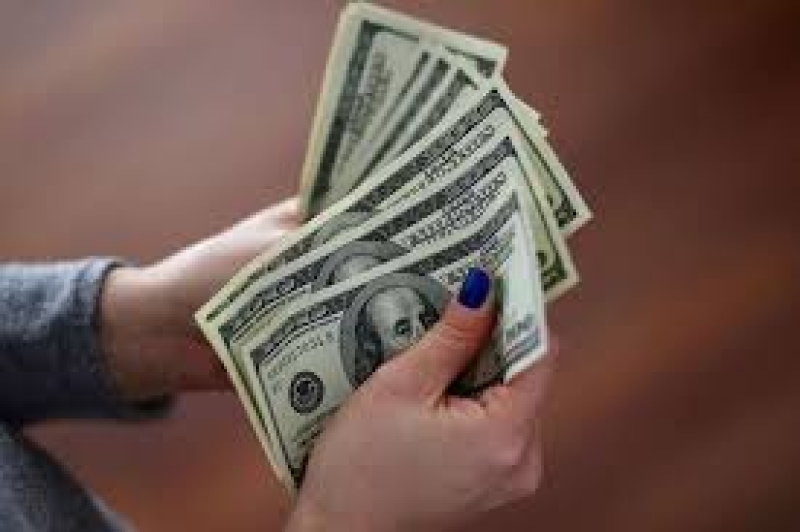
Sending remittances from the United States to Bangladesh or other countries via cash transactions will now incur an additional 1 percent tax, equivalent to $1 per $100 sent.
The new federal excise tax came into effect on 1 January as part of the One Big Beautiful Bill Act 2025, formally called the Excise Tax on Remittance Transfer. The bill, passed by Congress in May 2025, was signed into law by President Donald Trump on 4 July, US Independence Day.
The tax applies only to remittances sent through cash, money orders, cashier’s checks, or similar physical methods. Transfers made via bank accounts, debit cards, or online/digital methods are not subject to the additional charge.
Experts say the measure will mostly affect undocumented immigrants without bank accounts and low-income expatriates. Zohaib Chowdhury, a US expatriate sending money to Bangladesh, said the tax makes him “slightly reluctant” to send remittances, adding that government incentives could help mitigate the impact.
Aseem Kumar, a New York-based agent for several money transfer companies, clarified: “No tax applies if money is sent via a US bank card or bank account. This extra charge applies only to cash transactions.”
Mohammad Malek, CEO of Standard Express, noted that while the US had been the top source of remittances to Bangladesh until mid-2025, it has now dropped to fifth place. He warned that the new tax might encourage some transfers through illegal channels.
The Bangladesh government and Bangladesh Bank may increase monitoring and introduce incentives to encourage sending remittances via legal channels. Economists also warn that other remittance-dependent countries such as Mexico, India, and the Philippines will feel the impact of this new US tax.