

- Eid Boom Fuels Economy, But Leather Sector Lags Behind |
- Measles Death Toll Tops 500 as Govt Boosts Response |
- 90pc of 3Mt annual e-wastes not recycled, cause health hazards in BD |
- UNGA backs historic World Court climate crisis ruling |
- Air France, Airbus found guilty of manslaughter over 2009 jet tragedy |
Eid Boom Fuels Economy, But Leather Sector Lags Behind
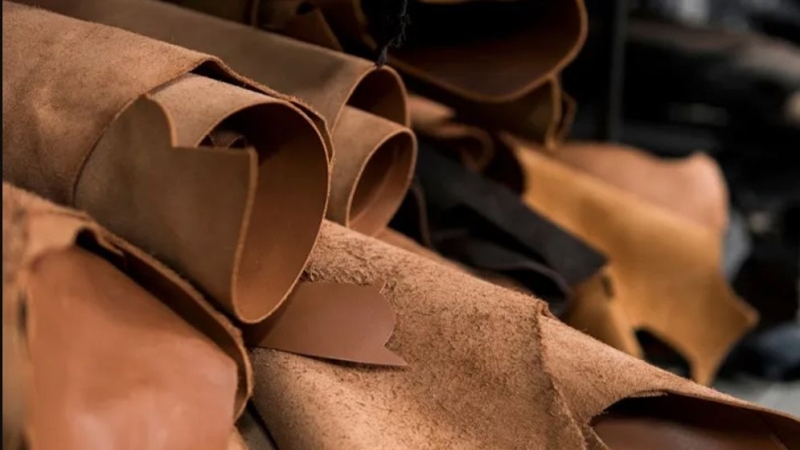
Eid-ul-Azha is approaching, bringing a sharp rise in seasonal economic activity across Bangladesh. Economists estimate that transactions worth nearly Tk 100,000 crore are generated around the festival each year, driven by livestock trade, transport, mobile banking, retail, and related services.
While most sectors benefit from the Eid-driven surge, the leather industry continues to struggle, exposing a long-standing imbalance in one of the country’s key export-linked sectors.
The festival economy spans cattle farming, market operations, animal feed, transportation, slaughter services, online sales, mobile financial transactions and household spending. Together, these activities make Eid-ul-Azha one of the largest annual economic cycles in the country.
According to industry estimates, more than 10 million livestock animals are sacrificed each year, most of them sourced from domestic farms. This has strengthened rural cash flow and encouraged growth in small and medium-scale livestock farming.
Farmers say domestic cattle production has increased significantly in recent years, reducing dependence on imported animals and creating new entrepreneurial opportunities in rural areas.
Business activity in the weeks leading up to Eid includes cattle market leasing, temporary infrastructure, transport services, food stalls and security arrangements, all contributing to widespread economic movement. Stakeholders note that the government also earns substantial revenue from cattle markets during this period.
Festival economy analysts say Eid-ul-Azha has evolved into a major domestic demand cycle, influencing multiple industries simultaneously from rural agriculture to urban retail and digital payments.
Despite this broad-based growth, the leather sector remains a weak link in the value chain.
The industry collects a significant portion of its annual raw hides during Eid, but experts say structural problems continue to limit its performance. Issues such as unstable raw hide prices, weak storage systems, and the dominance of middlemen frequently disrupt the market.
Industry leaders believe Bangladesh has strong potential in leather exports, with some estimates suggesting multi-billion-dollar opportunities if supply chain inefficiencies are addressed.
Officials and trade bodies have repeatedly highlighted that Bangladesh once exported over $1 billion worth of leather goods annually, but earnings have since declined due to production inefficiencies, environmental compliance challenges, and inadequate preservation infrastructure.
They argue that improving collection, storage, and processing systems could significantly strengthen Bangladesh’s position in the global leather market.
In recent years, digital platforms have also reshaped Eid-related commerce. Online cattle sales have grown steadily, with thousands of animals now being booked through e-commerce and livestock platforms before Eid.
Mobile financial services such as bKash, Nagad and Rocket experience sharp transaction spikes during this period, as consumers increasingly rely on digital payments for purchases, transport and wages.
Transport costs also rise sharply during Eid, with increased demand for trucks, pickups and other vehicles to move livestock from rural areas to urban markets. Farmers say fuel price hikes have further pushed up logistics costs in 2026.
Economists estimate that millions of seasonal jobs are created during Eid-ul-Azha, particularly in transport, market management, slaughter services, and hide collection. While most of these jobs are temporary, they provide critical income support for low-income workers.
Experts say this large informal employment surge highlights both the strength and structural imbalance of the festival economy, where some sectors thrive while others, like leather, continue to face recurring challenges.