

- Govt pursuing zero tolerance against human trafficking, organised crime: Salahuddin |
- PM Seeks Japan’s Help to Build Technology, Innovation Hubs |
- Bangladesh Plans Bonded Warehouse Reforms to Diversify Exports |
- Dhaka ranks 4th among world's most polluted cities this morning |
- Lula re-elected Brazilian president in runoff |
Flash Floods Kill 21 in Morocco’s Coastal Town Safi
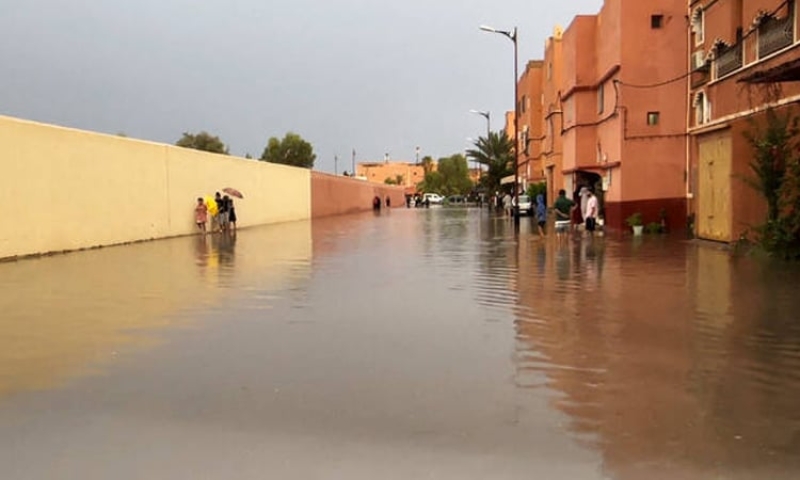
At least 21 people were killed on Sunday when sudden, heavy rainfall triggered flash floods in the Moroccan coastal town of Safi, local authorities said.
Footage shared on social media showed torrents of muddy water surging through streets, sweeping away cars and rubbish bins in the town, located about 300 kilometres south of the capital, Rabat.
Authorities said at least 70 homes and business establishments in the historic old city were inundated. Another 32 people were injured and taken to hospital, though most were later discharged.
The floods caused extensive damage to roads, cutting off traffic along several routes to and from the Atlantic port city.
“It’s a black day,” said resident Hamza Chdouani, describing the devastation left behind.
By evening, water levels had begun to recede, leaving residents to sift through mud-covered streets in an effort to salvage belongings. Another resident, Marouane Tamer, questioned why emergency trucks were not deployed earlier to pump out floodwater.
Search and rescue teams continued to look for possible additional victims as the national weather service warned of more heavy rainfall forecast across the country on Tuesday.
Severe weather and flooding are not uncommon in Morocco, which has been grappling with a prolonged drought for the seventh consecutive year. The General Directorate of Meteorology said 2024 was the hottest year on record, with an average rainfall deficit of nearly 25 percent.
Experts say climate change has disrupted traditional weather patterns, intensifying storms as warmer air holds more moisture and rising sea temperatures fuel extreme weather events.