

- COP17: Can the World Deliver on Its Biodiversity Goals? |
- Dhaka Ranks 8th in Global Pollution Index on Sunday |
- Deadly Inani Beach Fire Exposes Gaps in Tourism Safety |
- PM Tarique Rahman Pledges Inclusive Dev in Dialogue with Persons with Disabilities |
- PM Inspects 13 Dhaka Sites, Sets Deadlines for Cleanliness |
Dhaka Ranks 8th in Global Pollution Index on Sunday
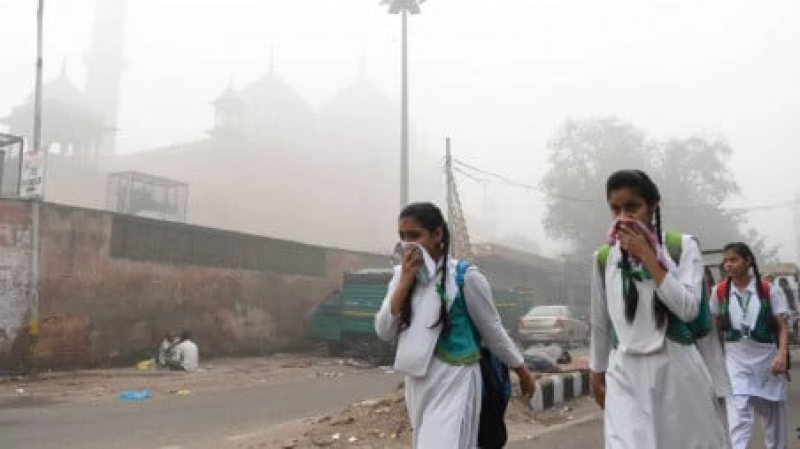
Chronic exposure to polluted air causes severe problems to the public.
Dhaka ranked eighth among the world's most polluted cities on Sunday morning, recording an Air Quality Index (AQI) score of 177 at 8:50am.
The city's air quality was classified as “unhealthy”, indicating that exposure to polluted air could pose health risks to the general population.
Lahore, Pakistan, topped the list with an AQI score of 239, followed by Delhi, India, at 207 and Singapore at 204.
Under the AQI scale, readings of 101–150 are classified as “unhealthy for sensitive groups”, while scores of 151–200 indicate “unhealthy” air. Readings between 201 and 300 are considered “very unhealthy”, and scores above 300 are classified as “hazardous”.
The AQI provides daily information on air pollution levels and their potential health effects, helping people assess the risks associated with outdoor exposure.
In Bangladesh, air quality is assessed using five major pollutants: particulate matter (PM10 and PM2.5), nitrogen dioxide (NO2), carbon monoxide (CO), sulfur dioxide (SO2) and ozone.
Dhaka has long faced persistent air pollution, with conditions generally worsening during winter and improving during the monsoon season.
The World Health Organization estimates that air pollution is responsible for around seven million premature deaths worldwide each year. Exposure to polluted air is associated with serious health conditions, including stroke, heart disease, chronic obstructive pulmonary disease, lung cancer and acute respiratory infections.